Island guide
Inagua, Bahamas
Great Inagua and Little Inagua, the southernmost islands of the Bahamas: a national park built around a flamingo colony, a salt works under new owners, and a lighthouse you can climb.
The short answer
Inagua is the southernmost district of the Bahamas: Great Inagua, about 596 square miles and one of the largest islands in the country, and uninhabited Little Inagua about 5 miles to its northeast. The 2022 census counted 831 people, down from 913 in 2010, nearly all of them in Matthew Town. The salt works is the island’s largest employer.
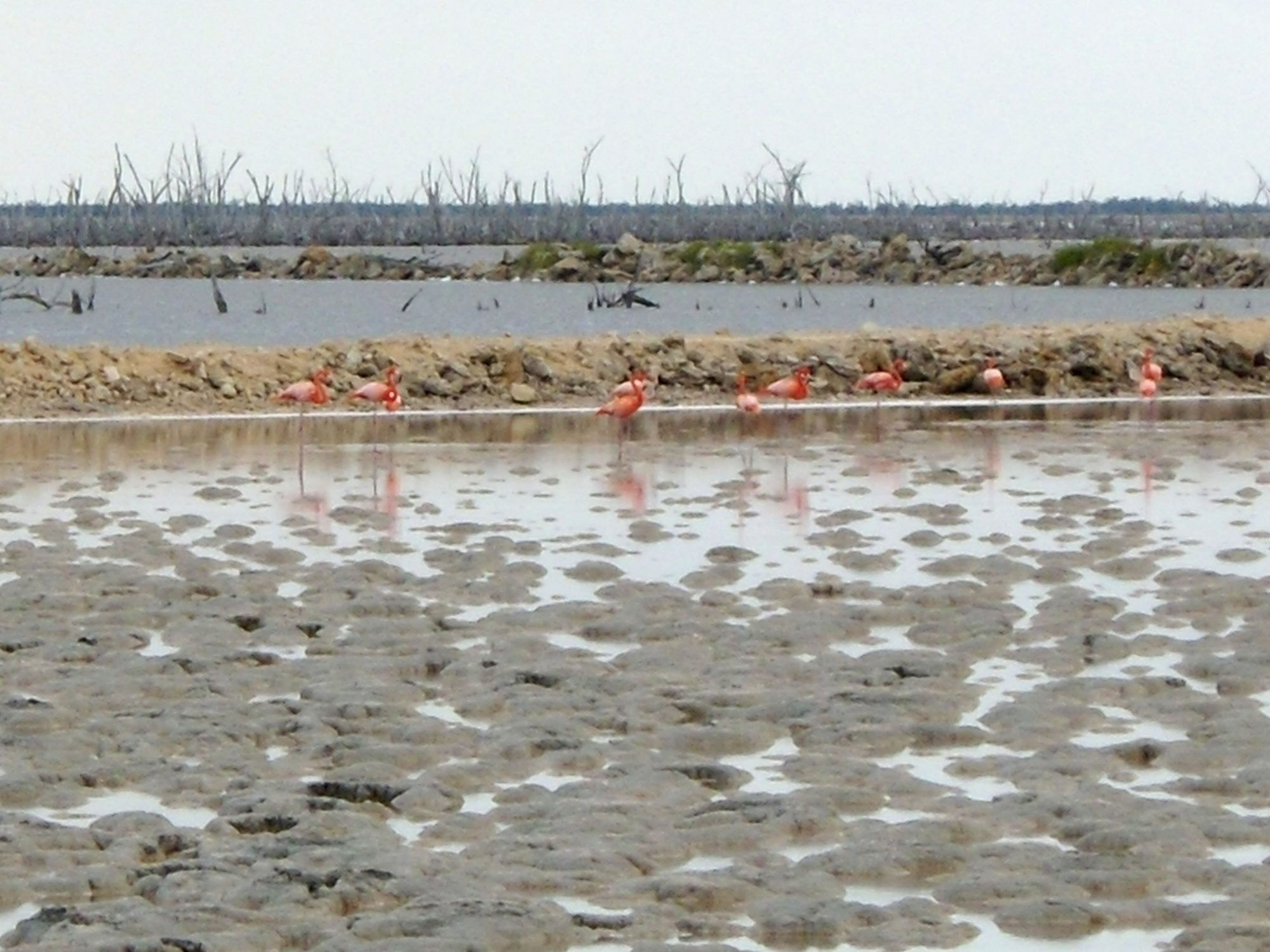
Much of Great Inagua is Inagua National Park, which the Bahamas National Trust says holds the largest breeding colony of West Indian flamingos in the world. Nesting has been disrupted: a colony was abandoned in 2021 after feral hogs disturbed it. Bahamasair flies from Nassau twice a week, and we couldn’t confirm any lodge open for 2026.
Getting there
- Bahamasair flies from Nassau twice a week: nonstop on Mondays (9:30 a.m., arriving 11:00) and via Mayaguana on Fridays (arriving noon). Flights back leave Inagua on Fridays at 12:45 p.m. nonstop and on Mondays at 11:45 a.m. via Mayaguana. In November 2026 the lowest one-way fares were $178 out and $168 back, before VAT.
- Inagua Airport (IGA), at Matthew Town, is a port of entry with a runway of about 7,000 feet and both avgas and jet fuel. The island’s only customs and immigration office is at the airport.
- Yachts clear in at the Inagua Public Dock in Matthew Town. The tourism ministry says a mail boat runs weekly from Nassau; we found no current timetable.
The island and its people
Great Inagua is roughly 55 miles long and 19 wide, mostly low and flat; its highest point, East Hill, is 132 feet. Sources rank it the second- or third-largest island in the Bahamas. Cuba’s eastern tip is about 50 to 60 miles away.
The island was permanently settled in the middle of the 19th century. Matthew Town, where nearly everyone lives, is named after George Matthew, governor of the Bahamas from 1844 to 1849, and was laid out during his term. The name Inagua comes from the early Spanish name Heneagua, said to mean “water is to be found there.”
Salt
Salt is Inagua’s main industry. The American Erickson brothers revived salt-making on the island with a mechanized works in the 1930s, and Morton Salt bought the operation in 1954. It is described as the second-largest solar salt works in North America.
In September 2025 Morton agreed to sell the works to Lusca Group, based on Grand Bahama, and the sale was reported complete in June 2026, with the company renamed Lusca Salt Bahamas. Lusca has announced plans worth up to $125 million for the island, including a solar power plant, a modernized airport, an upgraded general store, and a leisure and community center in the original salt storage building.
Inagua National Park and the flamingos
Inagua National Park was established in 1965 and is run by the Bahamas National Trust. Since 1997 it has been a Ramsar Wetland of International Importance, the only one in the Bahamas. Published figures for its area disagree widely. Lake Rosa, formerly Lake Windsor, is a large, shallow brackish lake about 12 miles long and no more than about 5 feet deep.
The Trust says the park holds the world’s largest breeding colony of West Indian flamingos. Published counts run from about 21,000 to more than 80,000 birds, and we found no dated recent census. In 2021 the Trust’s wardens found a whole nesting colony abandoned after feral hogs disturbed it, and as of May 2023 the Trust said flamingos hadn’t been seen nesting on Inagua since.
Other wildlife
The Bahama parrot survives only on Abaco and Great Inagua, where it lives in the coppice, the island’s dry forest. The Inagua woodstar, a hummingbird, lives only on the Inagua islands. In the northwest of the park, Union Creek Reserve is an enclosed tidal creek and sea turtle research station for green and hawksbill turtles; it isn’t open to the public.
Visiting the park
Visits are arranged through the Bahamas National Trust, which confirms dates through its Nassau or Inagua office and sends a warden with visitors in Trust vehicles. The Trust’s last published fees, from January 2020, were $25 a person, $10 for student groups and $75 for commercial visits, plus vehicle rental and fuel; confirm current fees with the Trust. Pilots should note that park rules restrict low flying; the Trust’s park page and its 2022 bylaws give different minimum altitudes, so check before you fly over.
Great Inagua Lighthouse
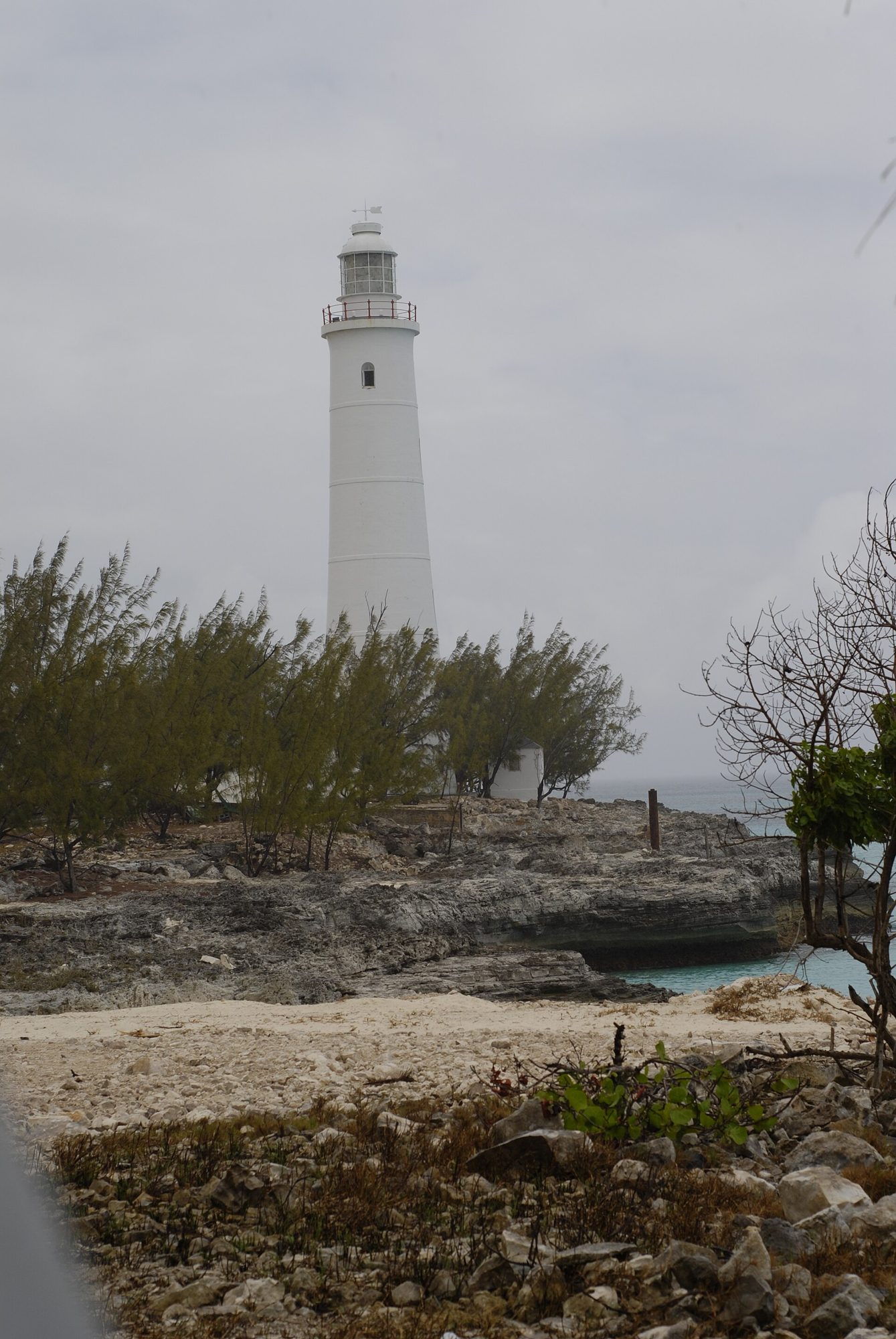
At Southwest Point near Matthew Town, Great Inagua Lighthouse, built in 1870, is a 112-foot white masonry tower. Visitors may climb it free of charge; donations are requested.
Little Inagua
Little Inagua lies about 5 miles northeast of Great Inagua across open water. It is uninhabited, has no fresh water, and is home to feral goats and donkeys. The Bahamas National Trust calls it by far the largest uninhabited island in the wider Caribbean.
The whole island and its coastal waters became a national park in 2002, one of ten protected areas announced by Prime Minister Hubert Ingraham that April. The park is a no-take zone managed by the Trust, and its protection runs offshore to the 100-fathom line. Sea turtles nest on its beaches. A fringing reef rings the island, starting at about 14 m and dropping almost vertically to the sea floor; a July 2024 survey by the Perry Institute and the Trust, the first in more than a decade, found that coral disease had killed every pillar coral the divers saw.
In August 1801 the Royal Navy frigate HMS Lowestoffe, on which a young Horatio Nelson had served, ran aground on Little Inagua while escorting a convoy, and five men drowned when their boat capsized in the surf. Hurricane Irma made landfall here on 8 September 2017 as a Category 4 storm.
Visiting Little Inagua
Only by boat. There is little or no infrastructure and no trails. Camping in a national park, which under the Trust’s bylaws includes spending the night aboard a boat, needs the Trust’s authorization. Boats arriving from abroad clear in at Matthew Town first.
Hurricanes
Hurricane Ike made landfall on Great Inagua on 7 September 2008 as a Category 3 storm: 70 to 80 percent of houses lost roofing, a quarter were badly damaged or destroyed, and the salt works stopped. Irma damaged about 70 percent of homes in September 2017. In October 2024 the small core of Hurricane Oscar passed along and just south of the island, damaging roofs on 92 of 169 properties assessed and flooding the salt brine, which halted production for months. Melissa in October 2025 brought heavy rain and some flooding but little structural damage, and power was back within days.
Practical
- Bank of The Bahamas has a branch with an ATM on Gregory Street in Matthew Town, open 9:30 a.m. to 3:00 p.m. Monday to Thursday and to 3:30 p.m. on Fridays.
- Park visits need a booking with the Bahamas National Trust in advance.
Where to stay
We couldn’t confirm any lodge open on Great Inagua for 2026. We list a lodge once we see current rates, a dated notice or recent reviews; if you run one, tell us. The nearest lodges we could confirm are on Acklins and Crooked Island. Every lodge in the southern Out Islands.
Inagua map
Questions visitors ask
Can you see flamingos on Great Inagua?
Flamingos live in Inagua National Park and the salt ponds, and the Bahamas National Trust says the park holds the world’s largest breeding colony of West Indian flamingos. Nesting has been disrupted since 2021, and counts vary widely, so ask the Trust what to expect when you book a visit.
How do you visit Inagua National Park?
Book through the Bahamas National Trust, which sends a warden with visitors in its own vehicles. Its last published fee, from 2020, was $25 a person plus vehicle and fuel costs.
How do you get to Great Inagua?
Bahamasair flies from Nassau twice a week, nonstop on Mondays and via Mayaguana on Fridays. Matthew Town is also a port of entry for yachts.
Can you visit Little Inagua?
Only by boat. It is an uninhabited, no-take national park with no fresh water or facilities, and overnight stays, even aboard a boat, need the Bahamas National Trust’s permission.
How many people live on Inagua?
831 at the 2022 census, down from 913 in 2010. Nearly all live in Matthew Town.
Keep exploring
Sources and how we list
History and island facts come from the sources below, with primary and scholarly sources preferred over secondary ones. Last checked November 2026. How we list.
Sources (30)
- bnt.bs
- www.livingoceansfoundation.org
- web.archive.org
- en.wikipedia.org
- www.britannica.com
- www.bahamas.gov.bs
- cdn.bahamas.gov.bs
- book.bahamasair.com
- book.bahamasair.com
- book.bahamasair.com
- tempo.cdn.tambourine.com
- www.bahamas.com
- www.bahamas.com
- www.bahamas.com
- web.archive.org
- www.thenassauguardian.com
- www.tribune242.com
- www.thenassauguardian.com
- rsis.ramsar.org
- bnt.bs
- www.bahamas.com
- bnt.bs
- www.nhc.noaa.gov
- www.nhc.noaa.gov
- www.tribune242.com
- www.tribune242.com
- www.bankbahamas.com
- en.wikipedia.org
- www.noforeignland.com
- en.wikipedia.org